
Dan Brown (born June 22, 1964) is an American author celebrated for his intricate thrillers that weave together history, art, religion, symbology, and science. Dan Brown books are famous for their fast pace, intellectual puzzles, and breathtaking revelations that blur the line between fact and fiction.
Brown’s signature hero, Robert Langdon, a Harvard symbologist, takes readers through secret societies, ancient manuscripts, and mysterious artworks — all while racing against time to solve world-shaking conspiracies.
Before becoming a literary sensation, Brown taught English and wrote music. His early works explored technology and espionage, but it was The Da Vinci Code (2003) that turned him into a global phenomenon.
The book sold over 80 million copies, was translated into dozens of languages, and sparked worldwide discussions about art, faith, and hidden history.
Below is a chronological list of Dan Brown’s novels (1998–2017) — from his early standalone thrillers to the renowned Robert Langdon series that defined his career. Whether you’re discovering his books for the first time or revisiting his coded world of secrets, this guide walks you through his storytelling evolution.
We may earn a small commission if you buy from the link to Amazon above at no extra cost to you…
List of Dan Brown Books in Chronological Order
1. Digital Fortress (1998)
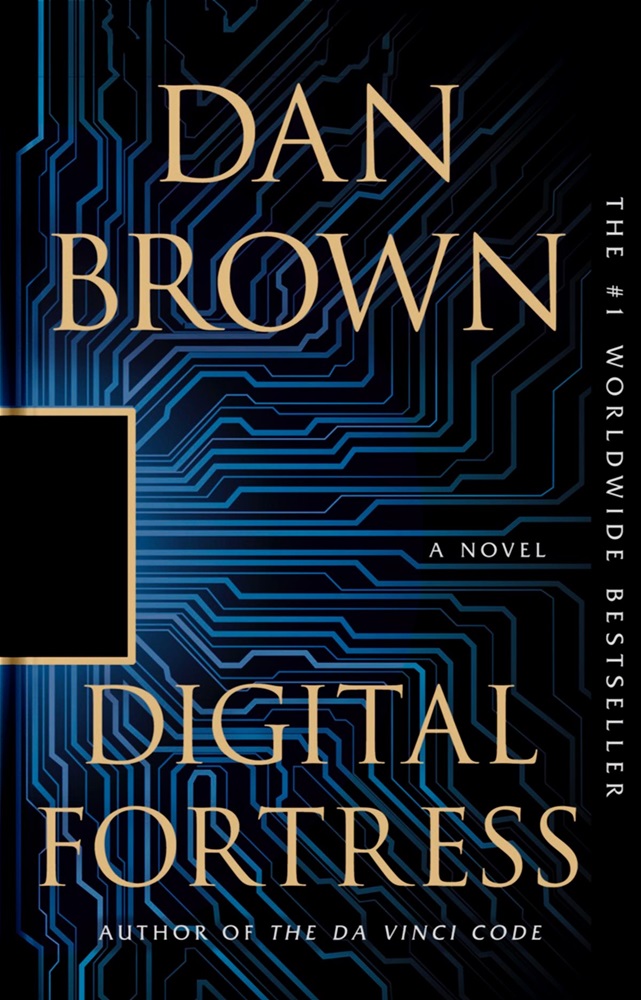
A high-stakes techno-thriller about cryptography and government surveillance. When a mysterious code threatens U.S. intelligence, NSA cryptographer Susan Fletcher uncovers secrets that challenge her loyalty and question the limits of privacy in the digital age.
2. Angels & Demons (2000)
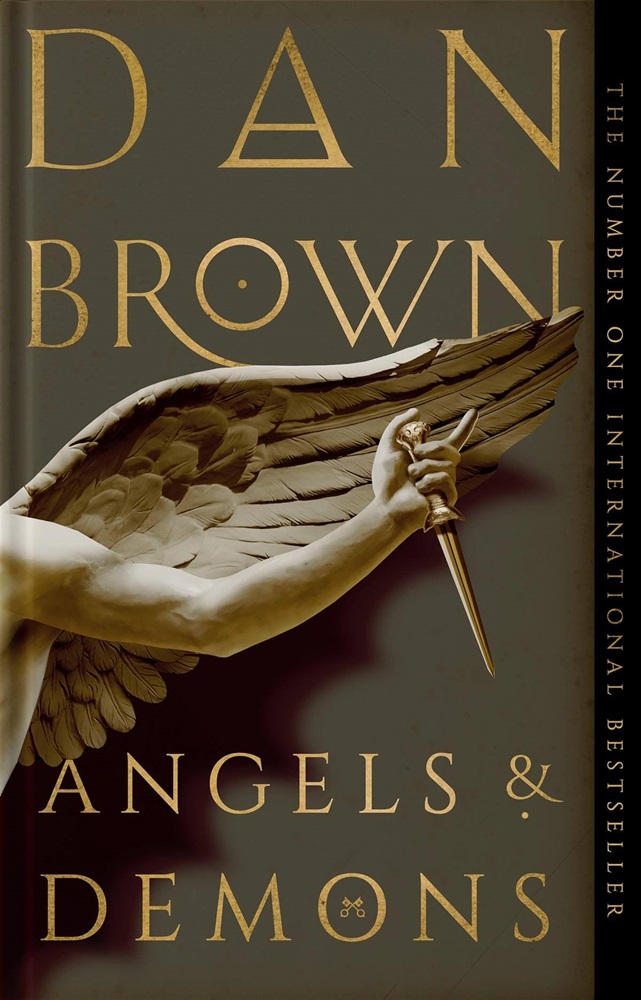
The first novel featuring Professor Robert Langdon. Set in Rome, it follows Langdon as he races to stop the Illuminati from destroying the Vatican using stolen antimatter. A gripping blend of religion, science, and ancient symbols.
3. Deception Point (2001)
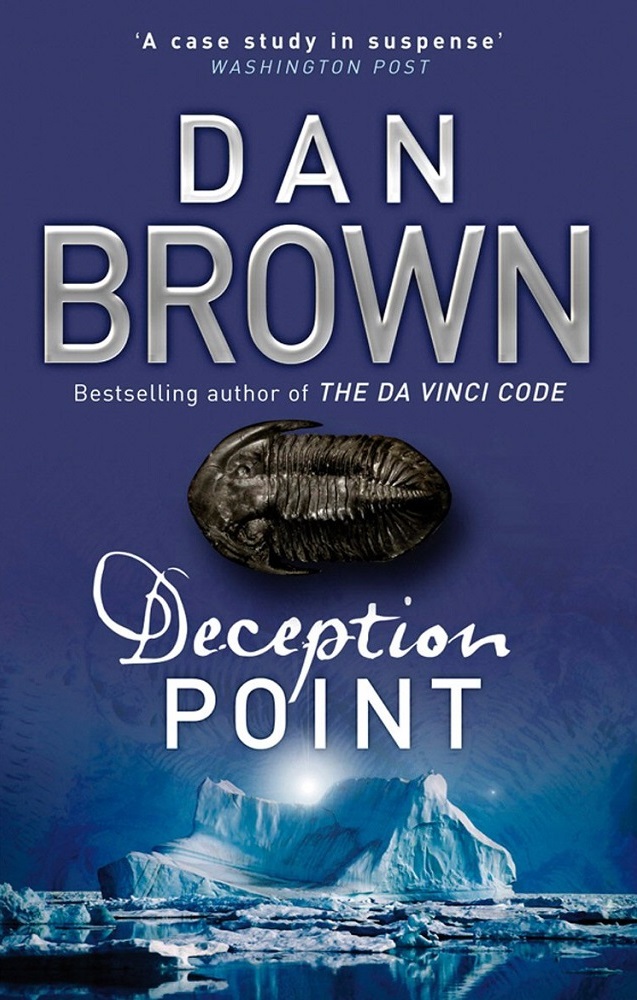
A standalone political thriller. NASA discovers a meteorite containing evidence of extraterrestrial life, but when evidence begins to unravel, intelligence analyst Rachel Sexton is thrust into a deadly web of deception and survival.
4. The Da Vinci Code (2003)
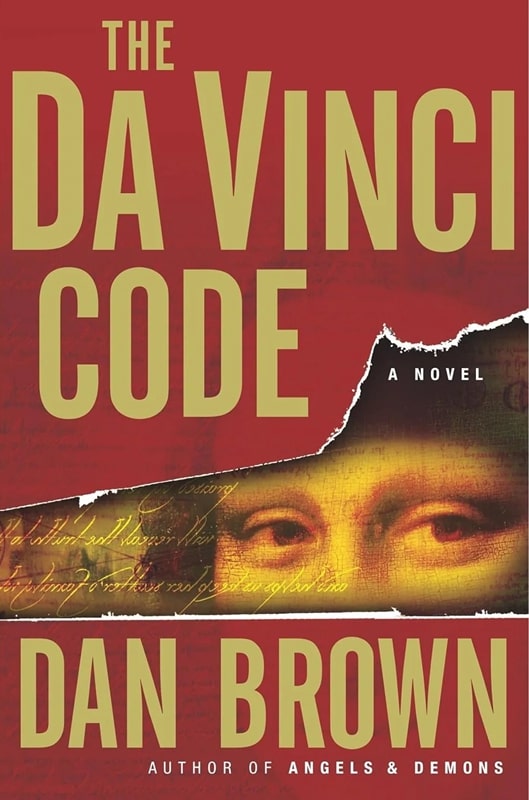
The global blockbuster that made Dan Brown a household name. Langdon is drawn into a murder mystery in the Louvre that leads to hidden secrets within Leonardo da Vinci’s art, the Holy Grail legend, and secret religious orders.
5. The Lost Symbol (2009)
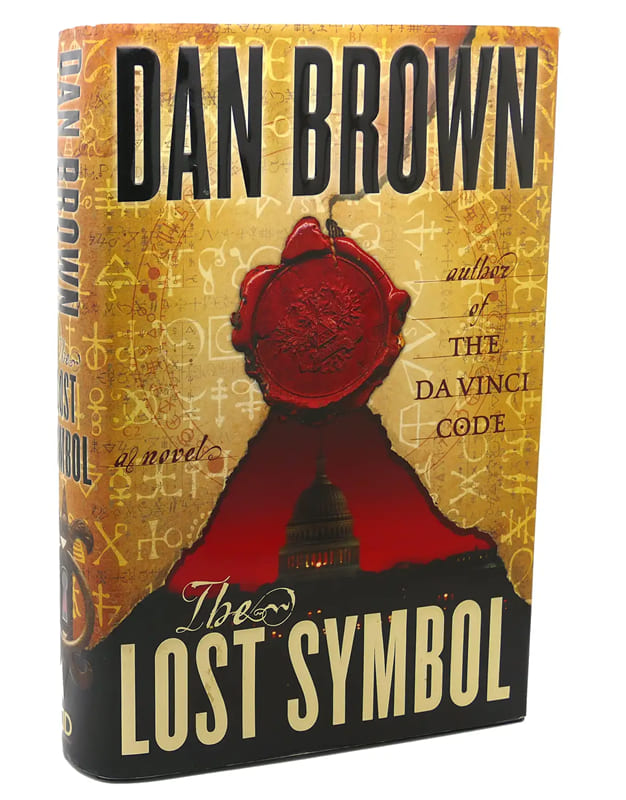
Set in Washington, D.C., this Langdon adventure delves into Freemasonry, hidden knowledge, and the power of ancient symbols. It explores humanity’s search for enlightenment and the intersection of science, mysticism, and faith.
6. Inferno (2013)
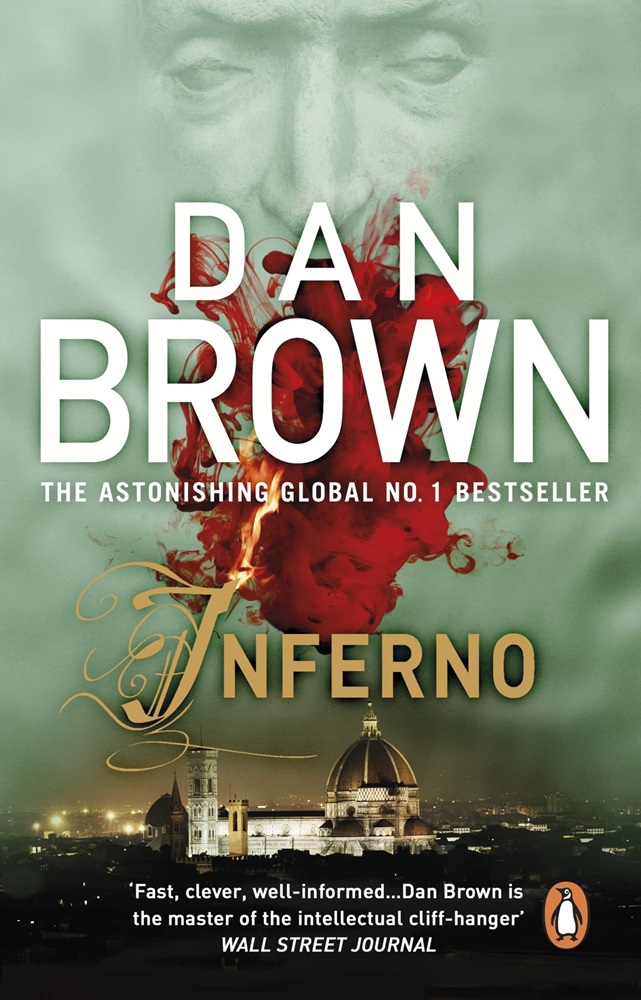
Langdon wakes up in a hospital in Florence with no memory and must piece together clues connected to Dante’s Inferno. The novel explores themes of overpopulation, ethics, and global catastrophe — one of Brown’s darkest and most philosophical works.
7. Origin (2017)
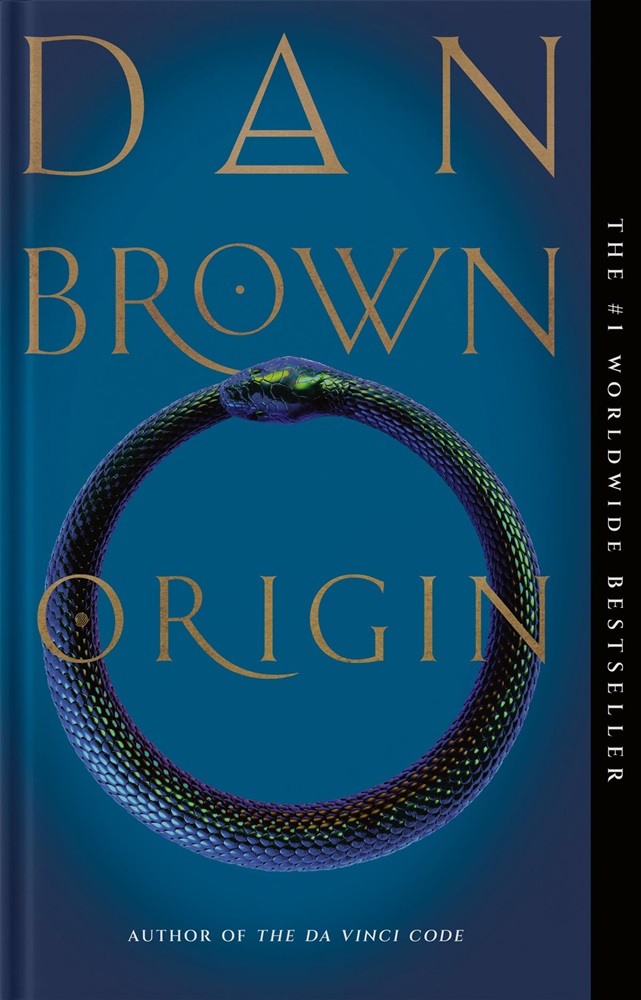
In this modern thriller, Langdon investigates the shocking discovery of futurist Edmond Kirsch — a revelation that promises to answer the questions “Where do we come from?” and “Where are we going?” A collision of faith, artificial intelligence, and human destiny.
Robert Langdon Series in Order
- Angels & Demons (2000)
- The Da Vinci Code (2003)
- The Lost Symbol (2009)
- Inferno (2013)
- Origin (2017)
Each novel stands alone but connects through Langdon’s expertise in symbology, his love for art and history, and his encounters with ancient secrets hidden in plain sight.
Where to Find Dan Brown Books
If you’d like to read or collect Dan Brown’s novels:
- Browse our Used Fiction Books at Books Point Kenya – Find pre-owned copies in paperback or hardcover at affordable prices.
- View Dan Brown Titles on Amazon – Explore Kindle and print editions, including international releases.
Conclusion: A Journey Through Codes, Art, and Secrets
Dan Brown’s novels, written between 1998 and 2017, trace his evolution from a digital-age storyteller to a master of historical mystery. His early works like Digital Fortress and Deception Point explored the tension between technology and truth, while The Da Vinci Code transformed him into a cultural phenomenon.
Through the Robert Langdon series, Brown redefined the modern thriller by fusing art, science, and philosophy into intellectual page-turners that challenge readers to see the world’s mysteries anew. His books continue to inspire curiosity, debate, and fascination with the symbols and secrets that shape human history.
